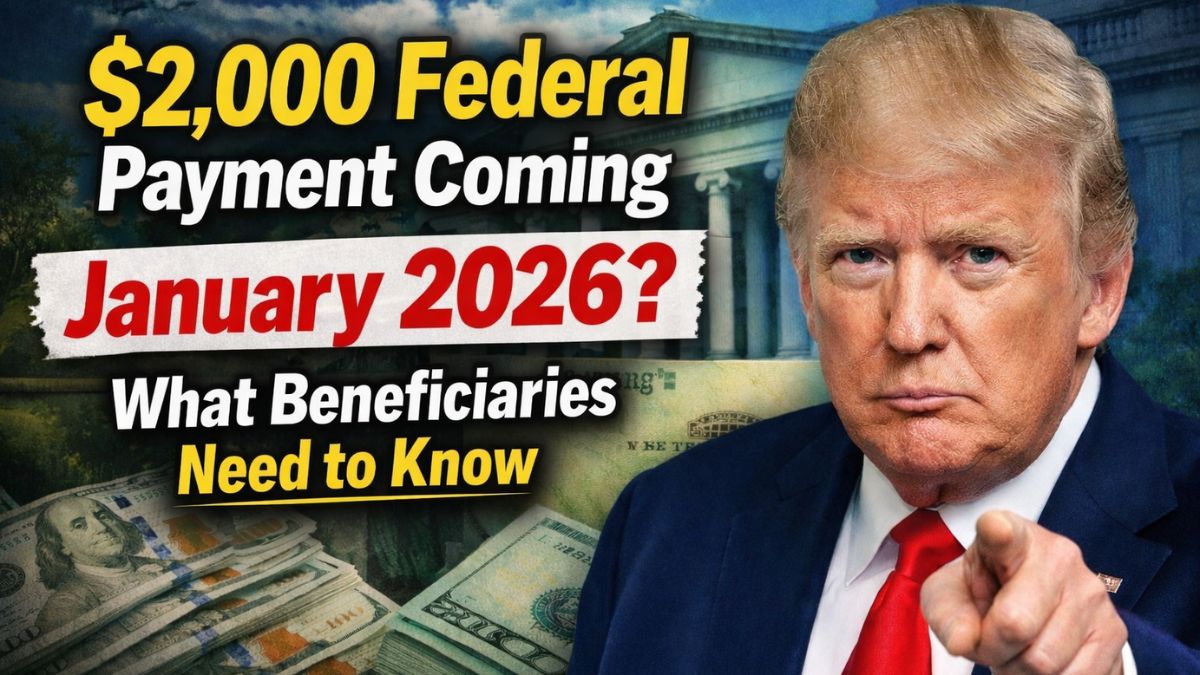
Federal $2000 Payment Coming – As January 2026 rolls closer, there’s a lot of buzz online about a supposed federal $2,000 deposit for Americans. Social media posts, viral videos, and forwarded messages all seem to confidently say the government is sending everyone money. For many families dealing with rising costs, hearing about a new payment can feel hopeful and exciting.
But here’s the truth: there’s no official announcement from any federal agency about a $2,000 deposit for everyone. Understanding what’s actually happening can help prevent disappointment and confusion about your finances.
Why the $2,000 Payment Rumor Keeps Coming Back
The $2,000 payment story has roots in past stimulus checks. During the pandemic, Americans received direct payments in their bank accounts, often automatically. That experience set an expectation that the government could just “send money” when needed.

Since then, any talk about economic challenges or government support tends to trigger people’s memories of those stimulus payments. That emotional connection keeps the idea alive, even when there’s no official plan.
How Online Posts Turn Ideas Into “Confirmed Payments”
A big part of why this rumor spreads is how online content evolves. Political speeches, policy discussions, or economic proposals can quickly be rewritten as “approved payments.” A simple idea becomes a plan, then an “official” payment, even though nothing has been legally approved.
By the time these posts go viral, people often see only confident headlines, not the fact that no law has been passed. This makes the information feel real, even though it’s just a misunderstanding.

What Federal Agencies Are Actually Saying
The IRS, U.S. Treasury, and Social Security Administration have all made it clear: there is no nationwide $2,000 payment scheduled for January 2026. No legislation has passed Congress authorizing such a payment.
When real federal payments are approved, it’s a public and organized process. Congress debates the bill, funding is announced, and official websites post the details. None of these steps have happened for a January 2026 deposit.
Why Some People Might Still See $2,000 Deposits
Even without a new stimulus, some Americans might get deposits that are close to $2,000 early in 2026. These are usually part of routine federal processes, like tax refunds. Refundable tax credits or adjustments from previous years can push payments into that range.
These payments are personal, not universal. Just because one person receives $2,000 doesn’t mean everyone will.
Tax Refunds Can Look Like Stimulus Checks
Many people see a deposit from the U.S. Treasury and assume it’s a stimulus payment. In reality, most early-year Treasury deposits are tax-related. Refunds can vary widely depending on income, credits, or prior tax adjustments. Sometimes a refund just happens to match the $2,000 figure that’s being talked about online, which adds to the confusion.
Targeted Payments Can Add to the Misunderstanding
Certain federal groups do get payments that aren’t widely available. Veterans, active-duty military, and federal employees may receive bonuses, allowances, or back payments. These are legitimate but limited.
When these payments are mentioned online, the details often get ignored. A payment meant for a specific group can quickly be framed as if everyone is eligible, fueling false assumptions.
Scams Exploit the $2,000 Hype
Large federal payment rumors are a favorite target for scammers. Fake messages promise to “release” the $2,000 deposit if you provide personal information. These messages can look urgent or official, but they’re not real.
Federal agencies will never ask for personal details through random texts or social media. No legitimate payment requires fees or private information sent this way. The lack of a real program makes these scams even more dangerous.
Why People Want to Believe It
These rumors persist because many Americans are financially stressed. Rent, groceries, and healthcare costs are high, so the idea of a $2,000 deposit is appealing. Social media also amplifies certainty—posts claiming “checks approved” spread faster than cautious explanations. Over time, repeated claims start to feel true.
What a Real Federal Payment Would Look Like
If a genuine federal payment were approved, it wouldn’t happen quietly. Congress would debate the plan publicly, federal agencies would announce it, and official websites would provide timelines.
Experts say that future relief, if approved, would likely be targeted rather than universal. Assistance may come through tax credits, benefit adjustments, or specific program payments rather than one large payment for everyone.
Staying Informed Without Falling for Rumors
The best way to avoid misinformation is to rely on official sources. Checking IRS, Treasury, or Social Security websites provides accurate updates. Always verify bank deposits against known refunds or benefits.
Be cautious with sensational posts, especially ones urging quick action. Patience and fact-checking are your best tools for avoiding scams and confusion.
Bottom Line on the January 2026 $2,000 Deposit
There is no confirmed federal $2,000 deposit for January 2026. Most claims online come from misunderstandings, recycled news, or deliberate exaggeration. Some people may see similar amounts through routine tax refunds or targeted payments, but these are personal and not universal.
Staying informed through trusted sources is the safest way to avoid false hope and protect your finances. Viral posts may grab attention, but clear, verified information is what really matters.
Disclaimer
This article is for informational purposes only and does not provide financial, tax, or legal advice. Federal programs, benefits, and payment schedules may change at any time. Readers should always verify information through official government websites or consult qualified professionals regarding their personal financial situation. Relying solely on online posts or social media for financial guidance can be risky.